
Are you looking for a smarter way to manage your sales and achieve steady business growth? In an increasingly competitive marketplace, a clear, well-structured sales pipeline can be the key to driving success and boosting revenue. So, what is a sales pipeline—and why should your business care?
Startups, small businesses, and established local brands alike can benefit from understanding how to implement and optimize a sales pipeline. Doing so can lead to higher conversion rates, improved customer relationships, and more predictable revenue streams.
What You Need to Know About Sales Pipelines
What is a Sales Pipeline?
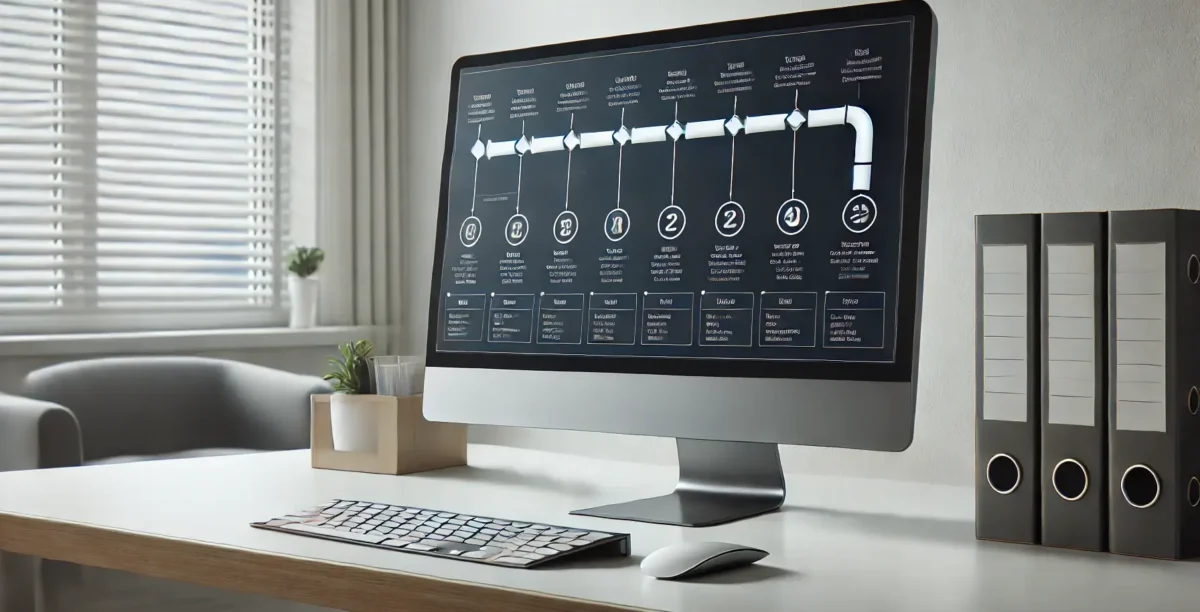
A sales pipeline is a visual and strategic representation of your sales process. It maps out the stages a potential customer goes through—from the first point of contact to the final sale. Think of it like a funnel: leads enter at the top and gradually move down as they’re nurtured, qualified, and converted.
A well-organized sales pipeline allows your team to track every opportunity, identify roadblocks, and focus on the most promising leads. It ensures that no opportunity falls through the cracks.
Key Components of a Sales Pipeline
Sales pipelines often follow a standard structure, though they can be tailored to suit your specific industry. Typical stages include:

- Lead Generation – Attracting potential customers via content, advertising, SEO, or referrals. For example, a bakery might run a Facebook ad offering a free cupcake with every visit, collecting emails in exchange. This simple strategy not only entices walk-ins but also grows an email list of potential return customers.
- Lead Qualification – Evaluating whether a lead is a good fit for your product or service. A SaaS company, for instance, might filter out users who sign up for a free trial but don’t meet a minimum company size. This helps focus attention on high-potential enterprise leads who are more likely to convert to paid plans.
- Engagement – Building trust and nurturing the relationship with valuable content and conversations. Imagine a local real estate agent sending a series of neighborhood guides and home-buying tips to prospects. These personalized touches deepen interest and establish credibility.
- Negotiation – Handling objections, discussing terms, and aligning expectations. For example, a freelance graphic designer may offer tiered pricing packages after addressing a client’s concerns about budget—this allows the client to choose an option that suits their needs while still closing the deal.
- Closing – Securing the sale and turning the lead into a paying customer. A car dealership, after weeks of back-and-forth with a prospect, may finally close the sale by offering a limited-time financing incentive. The sense of urgency and value helps finalize the deal.
Each stage is an opportunity to move your lead forward and close more deals. Adding context to these steps helps your team better understand the practical application and impact of a well-defined sales pipeline.
Breaking Down the Sales Pipeline: Stage by Stage
Stage 1: Attracting and Capturing Leads
The journey begins with lead generation. This is where you attract attention through online marketing, SEO, paid ads, social media, or even in-person networking. For local businesses, strategies like Google Business Profile optimization, community engagement, and local SEO are especially effective.
The goal? Get on the radar of potential customers and collect their contact information—pushing them into the top of your sales funnel.
Stage 2: Qualifying and Nurturing Leads
Not all leads are ready—or even right—for your offering. That’s where lead qualification comes in. Determine if the lead has the budget, need, and authority to make a purchase.
Once qualified, begin nurturing with educational content, follow-ups, and tailored messaging that aligns with their needs. Building this relationship early on sets the foundation for a successful conversion.
Stage 3: Deepening Engagement
In this phase, it’s all about deepening the relationship. Share case studies, offer consultations, or provide detailed product demos to show real value. This engagement builds trust, sets expectations, and moves prospects closer to a buying decision.
Stage 4: Negotiation and Closing
Now that your lead is interested, it’s time to discuss pricing, packages, and terms. Be transparent and address any concerns. With clear communication and confidence in your offer, you’ll be better positioned to close the deal.
Stage 5: Post-Sale Support and Customer Retention
A sale isn’t the end—it’s the beginning of a long-term relationship. Follow up, provide excellent support, and continue adding value. This helps you retain customers and generate referrals, keeping your pipeline full with minimal effort.
Unlocking Revenue Growth with a Smart Sales Pipeline
Looking to boost your sales team’s performance, improve forecasting, and create a smoother customer journey? The key lies in building a well-structured sales pipeline. A pipeline serves as the backbone of your sales strategy, offering visibility, structure, and actionable insights at every stage of the buyer’s journey.
It enables teams to identify bottlenecks, allocate resources efficiently, and consistently close more deals. A defined pipeline not only enhances your bottom line—it also positions your team for scalable, long-term success.
1. Streamlined Sales Process
No more guesswork or ad hoc decision-making. A clear sales pipeline visually maps out every stage of the customer journey—from initial contact to closing the deal. This structured approach helps your sales team understand what actions are needed at each phase, such as follow-up timing, proposal delivery, or contract negotiation. As a result, productivity soars and critical leads are less likely to fall through the cracks. It also fosters accountability, as team members can see exactly where each opportunity stands and who is responsible for moving it forward.
2. More Accurate Revenue Forecasting
With visibility into each deal’s stage, you can project revenue more accurately and make smarter, data-driven decisions. Imagine a scenario where your pipeline shows ten deals in the negotiation phase, each worth $10,000. You can reasonably predict a portion of that revenue to close within the month, giving your finance and operations teams clarity on incoming cash flow. This level of insight supports more precise budgeting, better resource allocation (like when to onboard new team members), and setting realistic sales targets based on pipeline velocity and win rates.
3. Better Time Management for Your Sales Team
Sales reps can prioritize high-quality leads rather than wasting time on cold or unqualified ones. A common problem in many sales teams is spending too much time nurturing leads that will never convert, leading to frustration and burnout. With a well-maintained pipeline, reps can identify which prospects are most likely to move forward, allowing them to focus on warm leads that align with their ideal customer profile. The result? More focused efforts, increased morale, and higher close rates.
4. Higher Conversion Rates
A pipeline helps you track where prospects drop off, making it easier to pinpoint and fix weak spots. By continuously improving these areas, you’ll naturally see better conversion rates. And higher conversion rates aren’t just a vanity metric—they directly impact your revenue. Converting more leads means you’re getting a better return on your marketing efforts and maximizing the value of every interaction. It also helps you grow your business sustainably without having to constantly increase lead volume or spending.
5. Enhanced Customer Experience
A structured pipeline promotes consistent, personalized communication throughout the buyer’s journey. For example, a software company using a CRM-integrated sales pipeline can automate personalized emails at each stage—sending onboarding resources after a demo or a follow-up offer after a trial. This level of timely and tailored communication makes customers feel valued and supported, leading to a more professional and satisfying experience that builds trust and long-term loyalty.
Elevate Your Sales Pipeline Strategy

At Planet Marketing, we specialize in helping local businesses attract, engage, and convert high-quality leads. From digital marketing strategies to CRM setup and optimization, our experts work with you to create a tailored pipeline that fits your unique sales process.
We’re also proud to introduce our latest innovation—an AI Employee built specifically to help businesses manage and optimize their sales pipelines. This tool:
- Analyzes customer behavior – By examining patterns such as website activity, email engagement, and previous purchase history, the AI can help identify what motivates your leads. For example, if a customer consistently engages with pricing pages, it may signal they’re ready for a sales conversation.
- Predicts which leads are most likely to convert – Using predictive analytics, the AI scores leads based on their behavior and profile. This allows your team to prioritize high-potential prospects. Imagine focusing your resources only on leads with a 70% or higher likelihood of closing—that’s powerful.
- Automates follow-ups and repetitive tasks – From sending reminder emails to scheduling meetings, the AI can handle time-consuming admin work. For instance, a lead who downloads a brochure might automatically receive a follow-up email with a calendar link to book a consultation—without your team lifting a finger.
With this AI-powered tool, your team can focus more on closing deals and less on admin work—giving your business a major edge in today’s digital-first world.
Sales Pipeline Slip-Ups That Could Be Costing You Deals
Even with a great system, there are common pitfalls to watch for. Here’s a closer look at each mistake—and how you can avoid it:
- Skipping Lead Qualification – Wasting time on poor-fit leads lowers ROI. For example, a marketing agency might spend weeks pursuing a startup that lacks the budget for its services. To avoid this, implement a lead scoring system that filters out unqualified prospects early. Train your team to ask the right questions during initial outreach to assess budget, authority, need, and timeline.
- Neglecting Updates – An outdated pipeline leads to confusion and missed chances. Imagine your team following up on a deal that was already closed—or worse, ignoring a hot lead marked incorrectly. Regularly review and update your pipeline data to reflect real-time progress. Consider setting automated reminders for your sales reps to log activities after every lead interaction.
- Poor Follow-Up – Not following through can cause you to lose warm leads. Picture a prospect who requested a quote but never hears back. That’s a lost opportunity. Use email automation tools or calendar integrations to schedule timely follow-ups. A simple “Just checking in” message after a few days can re-engage a lead and keep the conversation going.
- Chasing Quantity Over Quality – A few strong leads are more valuable than a dozen weak ones. It’s tempting to pad your numbers, but if your team is overwhelmed with low-potential leads, they may miss out on the ones that matter. Focus your efforts on the most engaged and qualified prospects. For instance, prioritize leads who have interacted multiple times with your website or downloaded key resources.
By identifying and addressing these common mistakes, you’ll not only strengthen your sales pipeline but also maximize its efficiency and results.
Build a Sales Pipeline That Delivers Results
In conclusion, a sales pipeline isn’t just a tool—it’s a roadmap to more predictable, efficient, and scalable revenue. Whether you’re just getting started or looking to refine your existing process, investing in a sales pipeline is one of the smartest moves you can make.
Ready to take your sales to the next level?
Let Planet Marketing help you design and optimize a sales pipeline that drives real results.
👉 Contact Us Today to get started and discover how our team and AI tools can help your local business grow.